How Often Should a Gas Fire Be Serviced? What the Check Involves
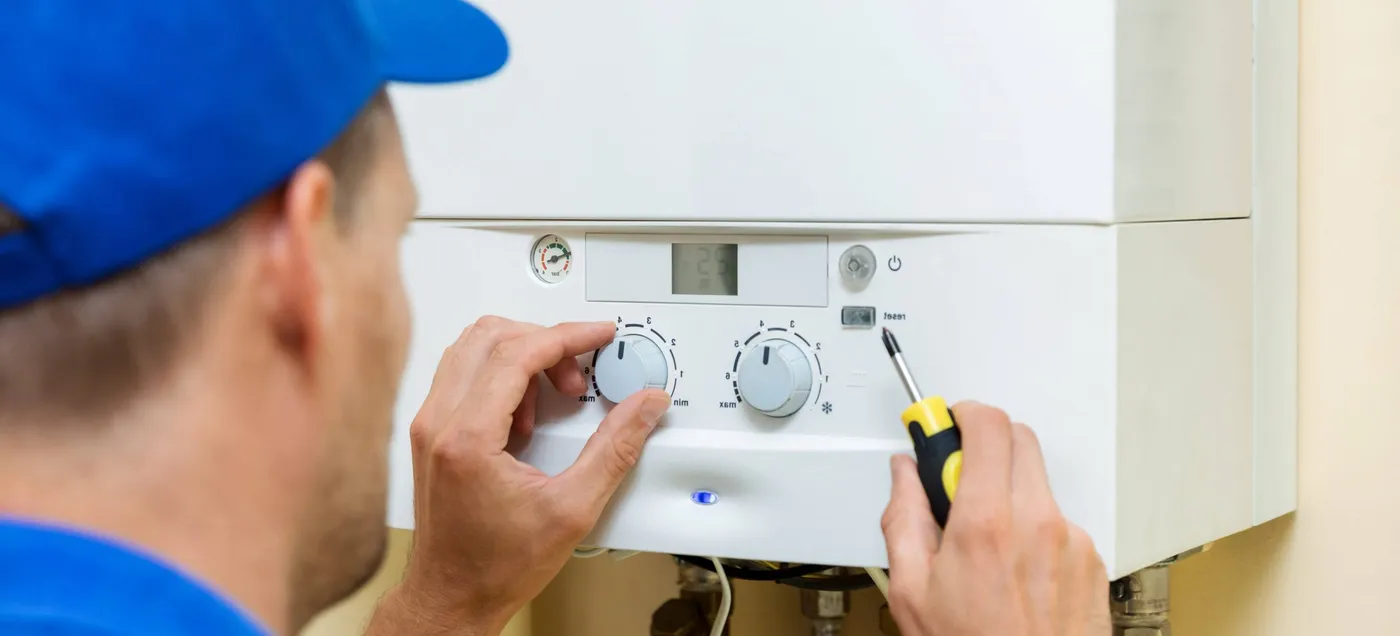
Once a year is the standard for a gas fire, whether it is used every evening or twice a winter. Here is what the service checks, why the flue or chimney matters so much, and how to fit it in with your boiler service.
A gas fire should be serviced once a year by a Gas Safe registered engineer. That is what most manufacturers recommend, and it is what Gas Safe Register advises for every gas appliance in the home. If you let the property, an annual safety check on the fire is a legal requirement, not a recommendation. A fire that is only lit a few times each winter still needs the yearly check, because the problems that make a gas fire unsafe, such as a blocked flue or a burner that no longer burns cleanly, develop whether or not the fire is in use.
Why a Gas Fire Needs Servicing Every Year
A gas fire needs a yearly service because it burns gas in your living space, and the main risk when that goes wrong is carbon monoxide. Most gas fires rely on a flue or chimney to carry the waste gases away, and that route can be blocked or damaged without anything looking different from inside the room.
Birds' nests, fallen brickwork, soot and debris are common in chimneys, particularly in older London houses where the flue was built for coal. A burner can also clog with dust and lint over a year, and the coals or pebbles on a fuel-effect fire can be knocked out of position during cleaning. Any of these can change how the gas burns. The annual service is how they get found before they become dangerous.
What the Engineer Checks During a Gas Fire Service
The engineer checks that the fire burns gas safely, that the waste gases leave the room, and that the safety devices work. The exact steps depend on the type of fire, but a proper service normally covers:
- The burner and flame picture. The burner is cleaned and the flame is checked for colour and shape. A lazy, yellow or sooting flame is a warning sign.
- The flue or chimney. On fires that use a chimney or open flue, the engineer carries out flue flow and spillage tests to confirm the gases go up and out rather than back into the room.
- Ventilation. Many fires need a permanent air vent in the room. The engineer checks it is there, the right size and not blocked or covered over.
- Safety devices. Many fires have a flame supervision device, and some have an atmosphere sensing device that shuts the fire off if the air in the room is not safe. These are tested.
- Gas pressure and rate. The engineer confirms the fire is receiving and burning the right amount of gas.
- Fuel bed, glass and seals. Coals, pebbles or logs are checked for damage and correct position, and glass-fronted fires are checked for cracks and sound seals.
You should get a written record of what was checked. If something is found to be unsafe, the engineer will explain it and may need to turn the fire off until it is repaired.
Different Types of Gas Fire, Different Checks
The type of fire changes what the service focuses on, but not how often it is needed. Every type should be checked once a year.
Open-flue and decorative fuel-effect fires sit in a fireplace and use the chimney. These are the most common type in period London homes, and the chimney is the part most likely to cause trouble. Balanced-flue and power-flue fires take air from outside and send waste gases out through a wall terminal, so the terminal and its seals get close attention. Flueless fires have no flue at all and rely on a catalytic converter and the room's ventilation, so the room size, the air vent and the condition of the catalyst matter more than usual. Gas fires with a back boiler, an older arrangement where a boiler sits behind the fire, need both the fire and the boiler checked on the same visit.
Does Your Chimney Need Sweeping Too?
If your gas fire uses a chimney, the chimney should be clear, and sweeping may be needed if the flow or spillage test shows a problem. A gas engineer checks that the flue works; sweeping is a separate job.
If the flue test fails, the engineer will usually advise having the chimney swept or inspected before the fire is used again. This is common where a chimney was used for solid fuel before a gas fire was fitted, or where the fire has not been serviced for several years. Do not relight a fire that has been turned off after a failed flue test.
Landlords: The Gas Fire Is Part of the Annual Safety Check
If you let a property with a gas fire, the fire must be included in the annual gas safety check. The Landlord Gas Safety Record (CP12) covers every gas appliance you provide, not just the boiler.
Fires in rented homes are often the appliance that gets forgotten, especially in a room the tenant rarely uses. A fire that cannot be reached, or that the engineer is not asked to look at, cannot appear on the record. If you have decided you no longer want to provide a gas fire, speak to an engineer about having it safely disconnected and capped rather than leaving it in place unchecked. Our page on the Landlord Gas Safety Certificate explains what the inspection covers.
Landlords in England must also fit a carbon monoxide alarm in any room used as living accommodation that has a fixed combustion appliance, other than a gas cooker. A gas fire counts.
Warning Signs You Should Not Wait For
If you notice any of the signs below, stop using the fire and have it checked before its next service is due. A gas fire should never be tested or adjusted by anyone who is not Gas Safe registered.
- Soot or dark staining on the wall, fireplace or canopy above the fire.
- Yellow or orange flames where they used to be blue, or flames that lift off the burner.
- A fire that keeps going out, or is hard to light.
- A carbon monoxide alarm going off, or headaches, dizziness or nausea that ease when you leave the room.
- A smell of gas.
If you smell gas or a carbon monoxide alarm sounds, turn the fire off if it is safe to do so, open windows, get everyone out and call the National Gas Emergency number on 0800 111 999. Our guide to carbon monoxide warning signs covers the symptoms in more detail. The same signs apply to a gas fire.
Servicing a Gas Fire Alongside Your Boiler
The easiest way to keep a gas fire on schedule is to have it serviced on the same visit as your boiler. The engineer is already there, and you get one date to remember each year.
When you book, say that you have a gas fire as well as a boiler, what type it is if you know, and whether it has a back boiler. That lets the visit be planned with enough time for both. Our annual boiler service page explains what the boiler part of the visit covers, and you can send us your appliance details to arrange both together.
Frequently asked questions
Is it a legal requirement to service a gas fire?
For homeowners, no. For landlords, yes: every gas appliance provided in a rented property, including a gas fire, must have an annual safety check by a Gas Safe registered engineer and be recorded on the Landlord Gas Safety Record (CP12). Homeowners are still advised to have gas fires checked once a year.
Can a gas fire and a boiler be serviced on the same visit?
Yes, and it is the most practical way to keep both on schedule. Tell us about the gas fire when you book so enough time is allowed. A fire with a back boiler behind it needs both parts checked.
My gas fire is hardly used. Does it still need a service?
Yes. A chimney or flue can become blocked, and a burner can collect dust, whether or not the fire is lit. A fire that sits unused for months is often the one where a problem goes unnoticed, so the once-a-year check still applies.