No Landlord Gas Safety Certificate? What Actually Happens
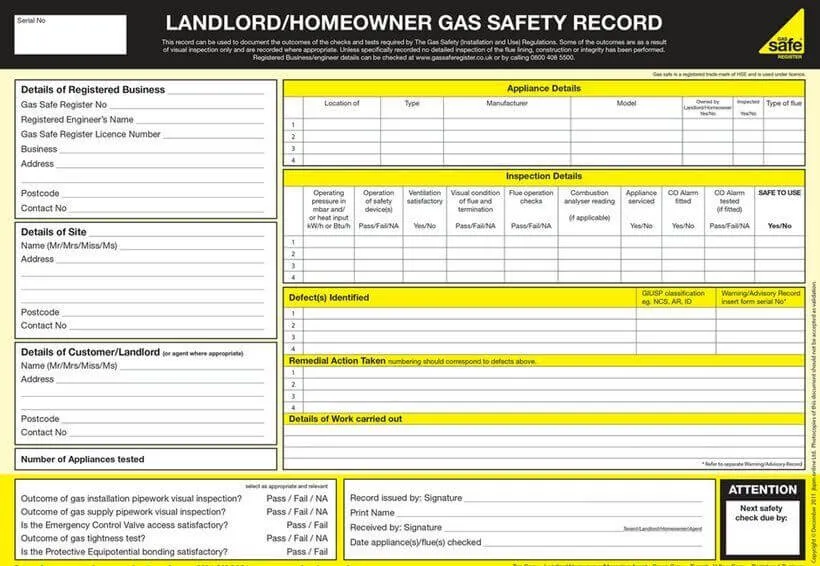
Letting a property without a valid Gas Safety Certificate is a serious legal breach from day one of the tenancy.
It Is a Breach of Legal Obligations From Day One
Under the Gas Safety (Installation and Use) Regulations 1998, you have a clear legal duty as a landlord. You must ensure an annual gas safety check is carried out on every gas appliance and flue in the property by a Gas Safe registered engineer. A valid Landlord Gas Safety Certificate, known as a CP12, is the proof that this duty has been fulfilled. If you allow a tenant to occupy a property without a current, valid certificate, you are in breach of these regulations from the very first day of the tenancy. This is not a minor oversight but a criminal offence. While enforcement action varies, the Health and Safety Executive (HSE) can prosecute, and local authorities can take action under the Housing Act 2004. The risk to tenant safety is the primary concern, but the legal jeopardy for you as a landlord is immediate and significant.
It Can Affect Your Ability to Regain Possession
Perhaps the most direct and financially impactful consequence for a landlord is the effect on the eviction process. Possession rules in England are changing under the Renters' Rights Act 2025, which ends Section 21 'no-fault' evictions, so check current advice before relying on any notice. Under the Section 21 rules, to serve a valid notice you must have provided the tenant with a copy of a valid Gas Safety Certificate before they moved in. Furthermore, you must have given them a copy of any subsequent annual certificate within 28 days of it being issued. If you have failed to do this, any Section 21 notice you serve will likely be invalid. A court will not grant a possession order based on an invalid notice. This can trap you in a situation where you wish to regain possession of your property but are legally prevented from using the most straightforward route. Rectifying this usually involves providing all missing certificates and then waiting to serve a new notice, causing considerable delay and potential loss of income.
The New Tenant Scenario: Moving Someone In Without a Certificate
This is a high-risk scenario driven by timing pressure. You find a great tenant who wants to move in next week, but the current certificate has just expired or the previous tenant's check was over a year ago. The temptation is to let them move in and sort the certificate shortly after. This is illegal. You cannot legally let the property at all without a valid certificate in place at the start of the tenancy. The correct process is to book the gas safety inspection and obtain the new CP12 before the tenant collects the keys. The typical UK price range (industry average) for a CP12 for one appliance is £60 to £90, and it is a necessary cost of doing business. Delaying this for convenience creates immediate liability and undermines the entire tenancy's legal foundation.
The Lapsed Renewal Scenario: The Certificate Expired and Wasn't Renewed
This is a common administrative failure. Life gets busy, and the reminder email gets buried. You suddenly realise the annual certificate expired a month, or even several months, ago, and your tenant is still living in the property. The key action is not to panic but to act immediately. You are currently in breach of the law. Contact a Gas Safe registered engineer to book an inspection as a matter of urgency. You cannot backdate a certificate. The new certificate will be valid from the date of the inspection, and you must provide a copy to your tenant within 28 days. You should also inform your tenant of the situation and the upcoming inspection. This scenario highlights the critical importance of a robust diary system for renewal dates, well in advance of the expiry.
Portfolio and Multi-Property Scenario
For landlords with multiple properties, the risk is multiplied. Having most properties compliant does not mitigate the legal breach for the one that is not. Each property and tenancy is a separate legal entity. A lapse in one can still lead to prosecution, affect your ability to serve certain eviction notices for that specific property, and potentially impact your reputation and insurance. Furthermore, it indicates a weakness in your management system. The solution is centralised, systematic tracking. Use a property management calendar or software that alerts you to renewal dates for every certificate across your portfolio, with reminders set 6-8 weeks in advance to allow ample time for scheduling. Treating compliance as a portfolio-wide process, not a series of individual tasks, is essential for scaling responsibly.
What to Do Right Now If You Realise You Don't Have a Valid Certificate
If you have just discovered a property is without a valid CP12, your course of action is straightforward and non-negotiable. Do not wait. First, book a gas safety inspection with a Gas Safe registered engineer immediately. This is the only way to rectify the situation. Second, proactively inform your current tenants that you have arranged the necessary safety check. Transparency is important. Third, once the inspection is complete and you have the new CP12, provide a copy to your tenants within the mandatory 28-day period and file it securely. Finally, review your reminder system to prevent a repeat. Set multiple reminders for the next expiry date. The cost of the certificate, with a typical UK price range (industry average) in London and the South East of £85 to £120 for a standard property, is far less than the potential legal, financial, and safety costs of continued non-compliance.
Frequently asked questions
How long does a landlord have to provide a gas safety certificate to a tenant?
You must provide a copy of the current, valid Gas Safety Certificate (CP12) to your tenant before they move in. For any subsequent annual certificate, you must provide a copy to your tenant within 28 days of the inspection being completed.
Can I do my own landlord gas safety check if I am competent?
No. It is a legal requirement that all gas safety checks and work on gas appliances in rental properties are carried out by a qualified engineer who is currently registered with the Gas Safe Register. Any certificate issued by someone not registered is invalid.
What is included in a Landlord Gas Safety Certificate (CP12) inspection?
A Gas Safe registered engineer will check all gas appliances (like boilers, cookers, and fires) and flues in the property. They will ensure appliances are working correctly, burning gas safely, and that ventilation and flues are clear. They will issue a CP12 certificate listing each appliance checked and confirming it is safe. This is a safety check, not a full service, though many landlords combine it with an annual boiler service.