Signs Your Boiler Service Was Actually Done Properly
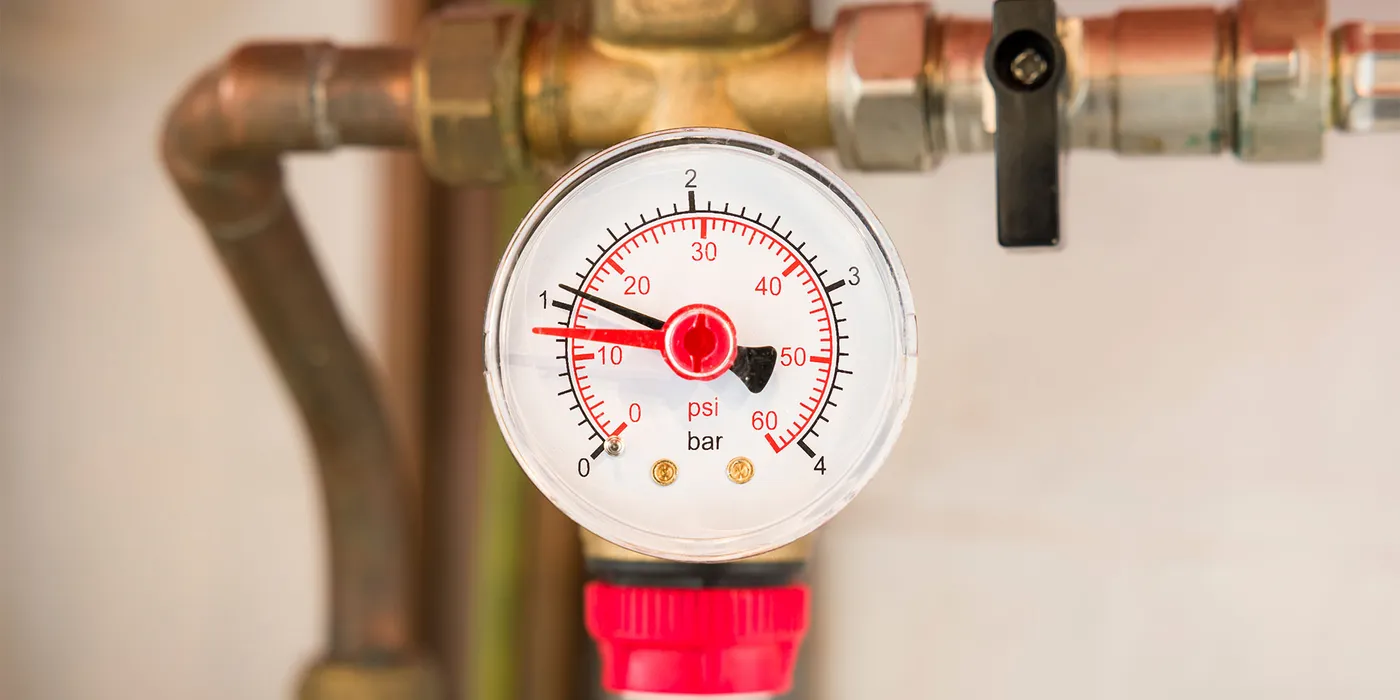
Did your boiler engineer perform a proper service? This checklist reveals the six clear signs of a thorough and safe annual check.
These are the signs to check once the engineer has left, so you can judge whether the visit you paid for was thorough. For the full list of what a service should include before you book, see our boiler service checklist guide.
You Received a Written Service Record, Not Just a Verbal ‘All Fine’
A proper boiler service concludes with a written record. This document is more than a receipt; it is proof of a detailed inspection and your evidence that the service was completed to professional standards. For landlords, a Landlord Gas Safety Certificate (CP12) is the legally required document and must be given to tenants within 28 days. For homeowners, a service checklist detailing what was checked is standard. This written record is crucial for validating your boiler’s warranty, as most manufacturers require proof of an unbroken annual service history. If your engineer only gave you a verbal update or a simple invoice with no details, a key component of a legitimate service is missing.
The Engineer’s Visit Took a Realistic Amount of Time
A thorough service involves a series of systematic checks and tests, and this cannot be done properly in a few rushed minutes. A legitimate annual boiler service for a combi boiler typically takes a professional engineer between 30 to 45 minutes on site to perform correctly. If the engineer was in and out in under 15 minutes, it is highly unlikely they completed the full checklist of safety and performance tests. The typical UK price range (industry average) for an annual combi boiler service is £80-£120, which reflects the labour and expertise required for a proper, time-consuming inspection.
The Engineer Asked About or Checked the Flue and Ventilation
A safe boiler requires safe exhaust of fumes. The flue terminal, where combustion gases exit the property, must be unobstructed and correctly fitted. A diligent engineer will check the entire visible flue run, both internally and externally, for any signs of damage, corrosion, or poor sealing. They should also verify that the area around the boiler and the air vents for the room are clear and adequate. If the engineer only looked at the boiler casing and did not mention or inspect the flue terminal outside or the ventilation, they have missed a critical safety check.
A Combustion Analysis Was Mentioned or Performed
One of the most important technical aspects of a modern boiler service is checking the efficiency and safety of the combustion process. This is done using a flue gas analyser, a specialised tool that measures the levels of carbon monoxide and other gases in the exhaust. The analyser gives precise readings to confirm the boiler is burning fuel safely and efficiently. An engineer performing a full boiler service will mention this test and may even show you the readings. If they did not use an analyser or refer to combustion performance, the service was not comprehensive.
Safety Devices Were Tested, Not Just Visually Inspected
A boiler contains several built-in safety mechanisms, such as the pressure relief valve (PRV) and various cut-out switches. A proper service involves actively testing these devices where possible to ensure they would function correctly in a fault scenario. For instance, an engineer might manually operate the pressure relief valve to check it discharges correctly. They will also test the boiler’s ignition sequence and its response to a simulated fault. A service that only involves a visual inspection of the boiler’s interior is not fulfilling its primary safety purpose.
The Engineer Was Able to Show Gas Safe ID When Asked
In the UK, it is a legal requirement that anyone who works on a gas appliance must be registered with the Gas Safe Register. A legitimate engineer will always carry and be willing to show you their Gas Safe ID card upon request. This card shows their photograph, registration number, and the specific appliances they are qualified to work on. Checking this is the final, fundamental sign of a proper service. If an engineer cannot or will not show this card, they are not legally permitted to carry out the work, and any service they performed is not valid for warranty or legal compliance purposes.
What to Do if Your Past Service Seems Incomplete
If you have reviewed this checklist and suspect your last annual boiler service was rushed or skipped essential steps, do not assume all is well. A missed safety check could pose a risk and will certainly invalidate your boiler’s warranty. The best course of action is to book a new, proper service now from a Gas Safe registered engineer. Explain your concerns to them so they can pay particular attention to any areas you feel were neglected. It is far better to pay for a thorough check than to risk safety or face a costly repair that is not covered due to an incomplete service history.
Frequently asked questions
What is the difference between a boiler service and a Gas Safety Certificate (CP12)?
A boiler service is a maintenance check to ensure your boiler is safe, efficient and in good working order, which is required to keep the manufacturer's warranty valid. A Landlord Gas Safety Certificate (CP12) is a legal document that confirms all gas appliances in a rented property are safe to use at the time of inspection; it is required by law for landlords and is valid for 12 months. A service can be more detailed, but both should be carried out by a Gas Safe registered engineer.
I didn't get a written record from my last service. What should I do?
You should contact the company or engineer who performed the service and request a written record. If they cannot provide one, it is a strong indication the service was not thorough. For your own safety and to protect your boiler warranty, you should book a new, full service with a different Gas Safe registered engineer and ensure they provide you with a detailed written report upon completion.
How much should a proper landlord Gas Safety Certificate cost?
The typical UK price range (industry average) for a Landlord Gas Safety Certificate (CP12) for one gas appliance is between £60 and £90, with an average of around £80. For two or more appliances, costs are typically £110 or more. In London and the South East, prices are typically higher, ranging from £85 to £120. The exact price is confirmed by quote from the engineer.