Can You Service Your Own Boiler? What Owners Can and Can't Do
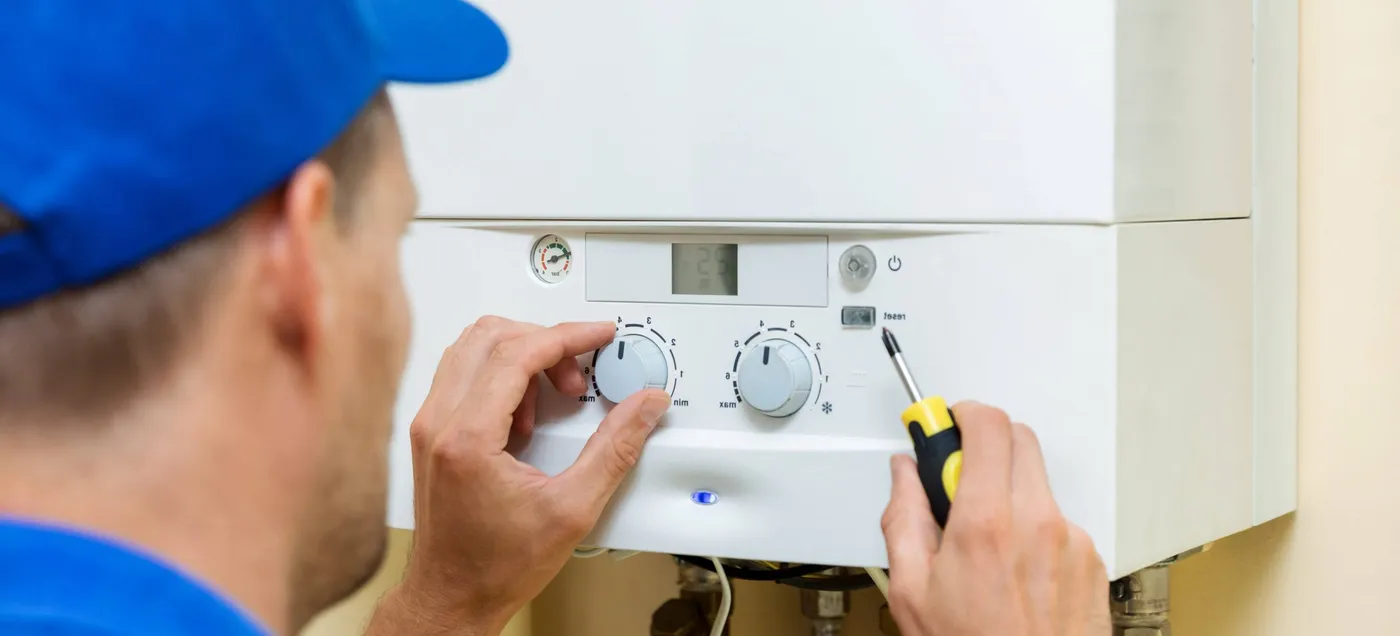
No, you can't service your own gas boiler. The service is gas work, and the law only lets people who are competent do it. There are still useful checks an owner can do between services, and a few jobs that look like maintenance but should be left alone.
No. You should not service your own gas boiler. A service means opening the sealed combustion chamber, working on the burner and gas components, and measuring the flue gases with specialist equipment, and the law says gas work can only be done by someone competent to do it. In practice that means a Gas Safe registered engineer. What you can do is keep an eye on the boiler between services, and that is worth doing.
What the Law Says About Gas Work
The Gas Safety (Installation and Use) Regulations 1998 say no one may carry out work on a gas appliance unless they are competent to do it. Anyone doing gas work as a business must also be on the Gas Safe Register.
A boiler service is gas work. The casing that seals the combustion chamber is removed, seals are disturbed, the burner and electrodes are cleaned, and the boiler is put back together so that it burns safely and the flue carries the fumes out. Getting any of that wrong can let carbon monoxide into the room, and you would not see or smell it.
There is also a practical side. Boiler warranties generally need a yearly service by a Gas Safe registered engineer with the service record filled in, so a DIY service does nothing for your warranty. If you are a landlord, the annual gas safety check must be done by a Gas Safe registered engineer, so doing it yourself isn't an option.
Why a Service Isn't a DIY Job, Even for Handy People
Most of a service is measurement and judgement, not cleaning. The step that matters most, the combustion analysis, needs a calibrated flue gas analyser and the training to read the results against the manufacturer's figures.
- Combustion checks. The engineer measures what is coming out of the flue to confirm the boiler is burning gas safely. You can't judge this by looking at the flame.
- Seals and gaskets. Many manuals say certain seals must be replaced once disturbed. A seal refitted badly can let combustion products leak inside the case.
- Safety devices. The components that shut the boiler down when something goes wrong are tested. You can't safely test them without the right knowledge and tools.
- The flue. The flue route is checked for secure joints and damage, including parts hidden in cupboards and ceiling voids.
For a clear picture of each stage, see what happens during a boiler service, step by step.
What You Can Safely Do Between Services
Plenty of useful maintenance needs no tools and no contact with the gas side of the boiler. A few minutes a month in the heating season catches most problems early.
- Check the pressure gauge. Read it when the system is cold and compare it with the normal zone shown in your manual. A slow, repeated drop is worth reporting. Our guide to repressurising a boiler safely covers topping up through the filling loop.
- Bleed radiators that are cold at the top. That is trapped air. Check the pressure afterwards, because bleeding lets a little water out.
- Keep the boiler and flue clear. Don't store things against the boiler or pack a cupboard tight around it, and make sure the flue outside isn't covered by plants, a new shed or building work.
- Watch the condensate pipe in freezing weather. On a condensing boiler, a frozen pipe outside is a common reason for a winter lockout.
- Test your carbon monoxide alarm. Press the test button regularly and replace the alarm when it reaches the end of its life. Know the warning signs of carbon monoxide from a boiler.
- Run the heating briefly in summer. A short run now and then helps stop the pump and valves sticking after months of not moving.
- Write down anything odd. Noises, fault codes, pressure drops and slow hot water are all useful to the engineer at the next service.
Things That Look Like Maintenance but Aren't Yours to Do
Some jobs sound simple and turn up in online videos, but they involve the gas side of the boiler or can make the system worse. Leave these to the engineer.
- Removing the front casing or anything behind it.
- Adjusting the gas valve or any setting in the engineer's menu.
- Recharging the expansion vessel. Getting the charge wrong can cause pressure problems.
- Blocking or covering ventilation grilles because a room feels draughty. They may be there to supply air to a gas appliance.
- Moving the boiler, extending the flue or boxing it in during a kitchen refit.
If you ever smell gas, turn the supply off at the meter if you can do so safely, open windows, don't use electrical switches, leave the property and call the National Gas Emergency number on 0800 111 999.
How Often a Professional Service Is Needed
Once a year for a gas boiler, whether you own your home or let it out. Owner checks between services do not stretch that interval; they just help you spot a problem before the next visit is due.
A boiler that has gone two or three years without a service isn't necessarily unsafe, but it is more likely to need extra cleaning and parts when it is finally opened up, and a warranty that required yearly servicing may already have lapsed. If yours has missed a year, book the next service now rather than waiting for a convenient season. It will take a little longer than a routine visit, and the engineer will tell you what they found before doing anything beyond the service itself.
Keeping the Annual Service Simple
The easiest way to stay on top of it is to book the service around the same date every year and keep every record together. That keeps the warranty in order and means small faults get caught before the first cold week.
Our annual boiler service in London follows the manufacturer's instructions for your model and ends with a written record. By law, the work must be done by a Gas Safe registered engineer. If you have noticed anything between services, mention it when you book so the engineer can look at it on the same visit.
Frequently asked questions
Is it illegal to service your own boiler?
The law says no one may do work on a gas appliance unless they are competent to do it, and anyone doing gas work as a business must be Gas Safe registered. A boiler service is gas work that needs specialist training and equipment, so it should always be done by a Gas Safe registered engineer.
What boiler maintenance can I do myself?
You can check the pressure gauge, bleed radiators that are cold at the top, keep the boiler and flue clear, check the condensate pipe in freezing weather, test your carbon monoxide alarm and note any faults. Don't remove the casing or touch anything on the gas side.
Does a DIY service count for my boiler warranty?
No. Manufacturers generally require an annual service by a Gas Safe registered engineer with the service record completed. A service you do yourself won't satisfy those conditions and could give grounds to refuse a claim.