How Often Should Commercial Gas Appliances Be Serviced?
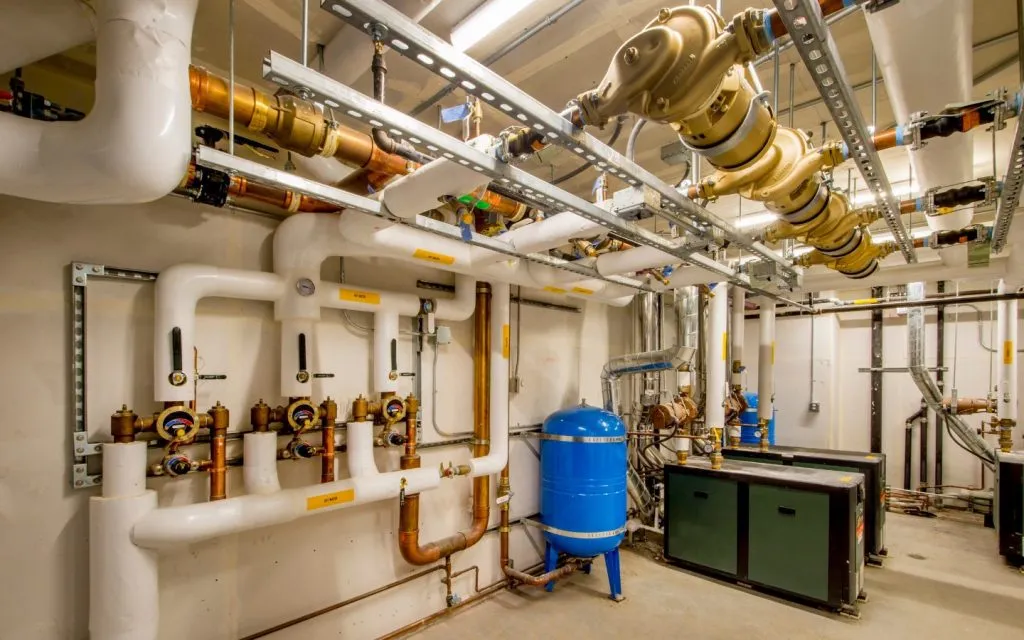
Commercial gas appliances should have a safety check at least once every 12 months, and busy kitchens or large boiler plant often need servicing more often than that. Here is what the law requires, who is responsible and how to set a schedule.
Commercial gas appliances should be safety checked by a Gas Safe registered engineer at least once every 12 months, and appliances that work hard, such as commercial kitchen equipment or boilers heating a large building, often need servicing more often than that. The law does not print a single interval for every business. It requires the person in control of the premises to keep gas appliances, pipework and flues in a safe condition, and an annual check is the minimum that insurers, landlords and manufacturers generally expect.
What the Law Actually Requires
Under the Gas Safety (Installation and Use) Regulations 1998, employers and anyone in control of a workplace must make sure the gas appliances, installation pipework and flues under their control are maintained in a safe condition. It is a duty to keep things safe, not a duty to hold one particular certificate on one particular date.
In practice, the way a business shows it has met that duty is through regular inspection and servicing by a Gas Safe registered engineer who holds the right commercial qualifications, with a written record each time. If something goes wrong, those records are what an insurer or an inspector will ask to see. That is why an annual check has become the working minimum even though the regulations do not give a number.
Commercial Boilers and Heating Plant
A commercial boiler should be serviced at least once a year, following the manufacturer's instructions for that model. Larger floor-standing boilers, cascaded systems and plant that runs long hours may have a manufacturer schedule that calls for more frequent attention.
Many sites book the main service before the heating season, so that faults turn up in late summer rather than on the first cold morning. Where plant runs all year, for example because it also produces hot water for a hotel, gym or care setting, a second visit part-way through the year is common. Our guide to care home gas safety and boiler servicing covers planning those visits in a building that is never empty. The manufacturer's instructions and your building insurance terms are the two documents that settle the question for your site. Our commercial boiler servicing page explains what a visit covers.
Commercial Kitchens
Gas catering equipment needs a safety check at least once a year, and busy kitchens benefit from more frequent servicing because grease, heat and constant use wear burners, valves and flame safety devices faster than in most other settings.
The kitchen check looks at each appliance, the gas supply and the ventilation. In most commercial kitchens the gas supply is linked to the extraction so that gas cannot flow unless the canopy fans are running; that interlock needs testing as part of the check. Our guide to how a gas interlock system works explains what is being tested. Kitchens usually receive their own catering gas safety record, separate from the paperwork for the building's heating. Keeping extraction clean between visits makes a real difference to how the equipment performs and how the check goes. Staff should also know where the emergency gas shut-off is and how to use it.
Offices, Shops and Mixed-Use Buildings
For an office or shop heated by gas, an annual safety check and service of the boiler and any other gas appliances is the normal routine. The question that catches businesses out is who is responsible, not how often.
If you lease the premises, your lease decides whether the landlord or the tenant business looks after the heating, and the duty falls on whoever controls the appliance. In a mixed-use building with flats above a shop, the residential parts fall under the separate landlord gas safety rules, which require an annual check and a record given to residential tenants. It is worth checking whose name goes on which record before booking, so nothing is missed and nothing is paid for twice.
Signs a Check Should Not Wait for the Annual Date
Some faults mean the appliance should be looked at now, whatever the schedule says. A yellow or orange flame, soot around an appliance or flue, a burner that lights unevenly, or a boiler that locks out repeatedly are all reasons to call an engineer rather than wait.
If you smell gas, turn off the supply at the emergency control valve if it is safe to do so, ventilate the area, get people out and call the National Gas Emergency Service on 0800 111 999. Staff complaining of headaches or dizziness that clear when they leave the building are a warning sign of carbon monoxide and should be treated the same way.
Setting Up a Maintenance Schedule That Works
The simplest approach is a fixed annual date for the safety check, with servicing timed around how hard each appliance works. Put everything on one list so no appliance is forgotten.
- List every gas appliance on site with its make, model, location and who is responsible for it.
- Note the manufacturer's recommended service interval for each one.
- Check your insurance policy and lease for any stated inspection requirement.
- Book the safety check and servicing early enough that any remedial work can be done before the deadline.
- Keep every record together, including remedial work, for at least as long as your insurer asks.
That list is also what gives you an accurate quote, because commercial work is priced on the number and type of appliances, access to the plant room and whether the work has to happen outside trading hours; see what affects boiler service cost. For certification, our commercial gas safety certificate page covers what is inspected, and you can send us your appliance list to arrange a visit.
Frequently asked questions
Is an annual gas safety check a legal requirement for businesses?
The law requires employers and those in control of premises to keep gas appliances, pipework and flues in a safe condition, rather than setting one fixed date. An annual check by a Gas Safe registered engineer, with a written record, is the accepted minimum and is what insurers and landlords normally expect to see.
Do commercial kitchens need their gas checked more often?
At least once a year for the safety check, and heavily used kitchens often benefit from more frequent servicing because burners, valves and flame safety devices wear faster under constant use. The gas interlock with the extraction system should be tested as part of the check.
Who is responsible for gas safety in leased business premises?
Whoever controls the gas appliance. The lease usually sets out whether that is the landlord or the tenant business. In mixed-use buildings, flats above commercial premises also fall under the landlord gas safety rules for residential lettings.