Boiler Pressure Too High? How to Lower It Safely
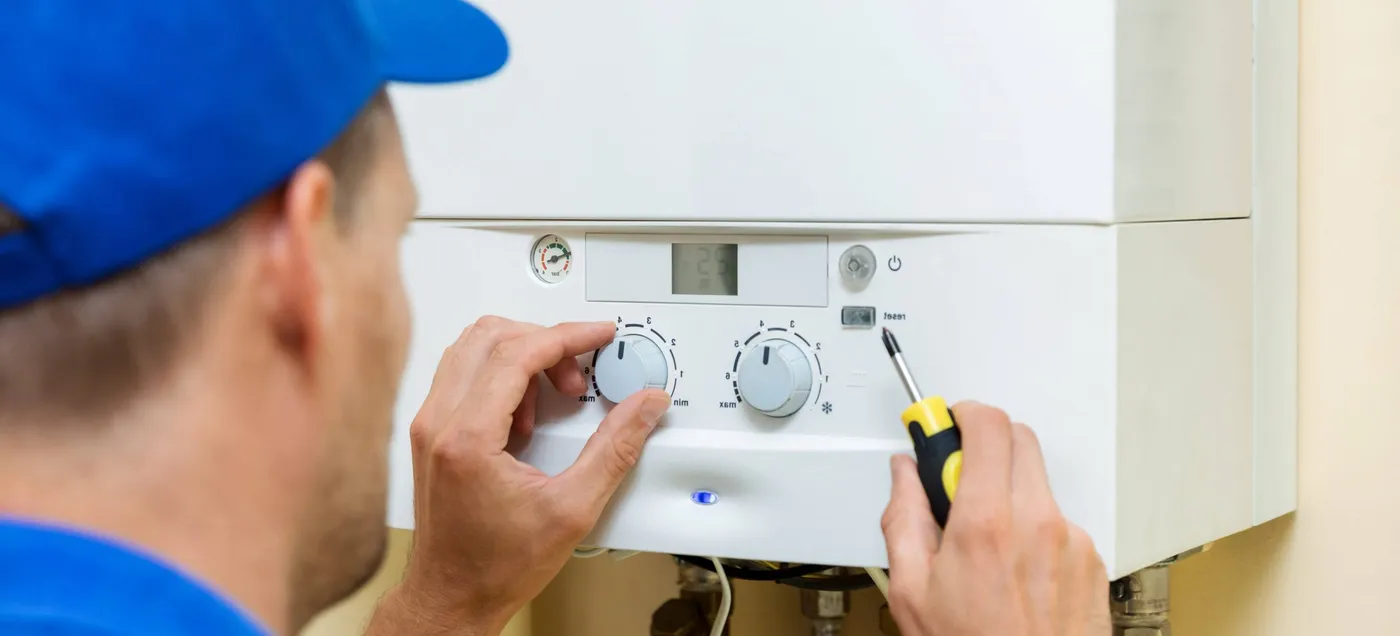
If the gauge is above the green zone when the boiler is cold, you can usually bring it down by bleeding water from a radiator. If the pressure keeps climbing back up, the cause is in the system and needs an engineer.
If your boiler pressure is too high, switch the heating off, let the system cool, and check the gauge again, because pressure naturally rises while the water is hot. If it is still above the green or normal zone when cold, you can lower it by releasing a little water from a radiator bleed valve until the needle is back in range. If the pressure climbs back up afterwards, or rises sharply every time the heating comes on, something in the system is causing it and a Gas Safe engineer needs to find out what.
What the Gauge Should Show
Every boiler with a sealed heating system has a pressure gauge or a digital pressure reading on the front. Most gauges have a marked green or normal zone, and your boiler's manual gives the exact figure the manufacturer recommends. Read it when the system is cold. A small rise once the heating has been running is normal, because water expands as it heats up. What is not normal is a reading in the red when the boiler has been off for a while, or a needle that climbs well past the normal zone every time the heating fires.
Why Boiler Pressure Goes Too High
The system was overfilled
The most common reason is simple. Someone topped the system up through the filling loop and let too much water in. This often happens after bleeding radiators or after a pressure drop, when it is easy to watch the needle go past the point you meant to stop at. Our guide to repressurising a boiler safely explains how to top up without overshooting.
The filling loop is open or letting water through
The filling loop is the valve or braided hose, usually underneath the boiler, that connects the heating system to the mains water supply. If one of its valves has been left slightly open, or has worn and no longer seals fully, mains water can creep into the heating system and push the pressure up gradually over days or weeks.
The expansion vessel has lost its charge
The expansion vessel is a small tank that absorbs the extra volume of water as it heats. When it loses its air charge or the diaphragm inside fails, there is nowhere for the expanding water to go, so the pressure shoots up whenever the heating runs. The pressure relief valve then opens to protect the system, dumps water outside, and the pressure crashes once everything cools. If your pressure swings high then low, this is the usual suspect. Our guide to expansion vessels explains how they work and why they are checked at every service.
An internal fault on some combi boilers
On some combi boilers, a fault inside the boiler can let mains water pass into the heating circuit, which raises the pressure even when the filling loop is closed. This needs diagnosing by an engineer. It is not something to investigate yourself.
How to Lower Boiler Pressure Safely
- Turn the heating off and let it cool. Give the system time to cool down before you touch anything, then check the gauge again. You may find the pressure is back in range and no action is needed.
- Check the filling loop is closed. Make sure both valves are fully shut. If you have a removable braided hose, it should normally be disconnected when not in use.
- Bleed water from a radiator. Put a towel and a small container under the bleed valve at the top corner of a radiator. Open the valve slowly with a radiator key. Air may hiss out first, then water. Let a small amount of water out and close the valve.
- Watch the gauge as you go. Check the pressure after each small release. Stop once the needle is back in the middle of the normal zone. Letting out too much will leave the pressure too low and you will need to top up again.
- Switch the heating back on and watch it. A modest rise as the system warms is expected. A jump into the red is not.
What Not to Do
- Do not open the boiler casing or try to adjust anything inside it. Work inside a gas appliance must be done by a Gas Safe registered engineer.
- Do not try to recharge the expansion vessel yourself. Getting the charge wrong can make the problem worse.
- Do not block or cap the pressure relief discharge pipe outside, even if it is dripping. It is there to release pressure safely.
- Do not keep bleeding radiators every few days as a routine. If you are doing that, the cause needs fixing.
When to Call an Engineer
Book an engineer if the pressure goes back up after you have lowered it, if it rises sharply every time the heating comes on, if water is dripping from the discharge pipe outside, or if the boiler shows a pressure-related fault code. Any of these points to a fault rather than a one-off overfill. Our expansion vessel check is a targeted visit for exactly this pattern, and we explain what we find and quote before replacing anything.
High pressure and low pressure are often two ends of the same fault. If your boiler also loses pressure after running hot, read why a boiler loses pressure as well.
How Servicing Helps
An annual boiler service includes checking the system pressure and the expansion vessel and testing the pressure relief valve, which is how problems like a slowly failing vessel get caught before they become a boiler that keeps locking out. If your pressure has been misbehaving and the boiler is due its service anyway, mention it when you book so the engineer can look at it on the same visit.
Frequently asked questions
Is high boiler pressure dangerous?
Boilers are fitted with a pressure relief valve that opens to release water if the pressure gets too high, so the system is protected. But high pressure puts strain on components and repeated discharges usually mean something is wrong, so it should not be ignored.
Why does my boiler pressure go up when the heating is on?
Water expands as it heats, so a small rise is normal. A large rise into the red usually means the expansion vessel is no longer absorbing that expansion, which needs an engineer to check.
Can I lower boiler pressure without bleeding a radiator?
Bleeding a radiator is the simple, safe way for a homeowner to release water from the system. Other methods involve valves on or inside the boiler and are best left to a Gas Safe engineer.
What should my boiler pressure be?
It should sit within the green or normal zone on the gauge when the system is cold. Your boiler's manual gives the exact recommended figure for your model, and it varies between makes.