Why Is My Boiler Losing Pressure? Every Common Cause
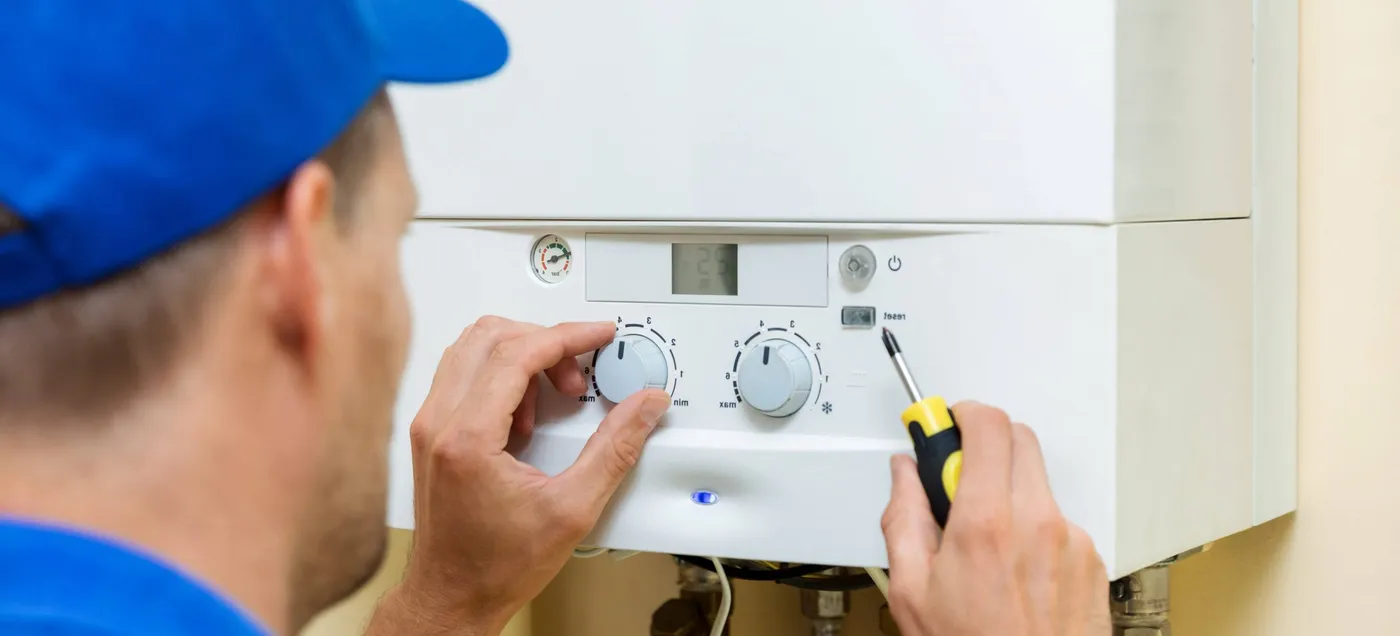
Discover every common reason your sealed heating system's pressure keeps dropping, from simple fixes to serious faults requiring a Gas Safe engineer.
A Failed or Failing Expansion Vessel
The expansion vessel is a critical component inside your boiler. It is a sealed, air-filled chamber with a rubber diaphragm. When your heating water heats up and expands, it pushes into this vessel, compressing the air inside. This prevents the system pressure from rising too high. If this vessel fails, typically because the diaphragm splits or the air charge is lost, the expanding water has nowhere to go. This causes the system pressure to spike, which then forces the pressure relief valve (PRV) to open and release water. Once the system cools, the pressure then drops too low, often to zero. This creates a cycle of pressure loss after heating. Diagnosing and repairing or replacing an expansion vessel is a job for a Gas Safe registered engineer. It is often checked and re-pressurised as part of a routine annual boiler service.
A Small Leak in the Heating System
The most frequent cause of a slow but steady pressure drop is a small leak. These can be very difficult to spot as the water often evaporates quickly, leaving no obvious puddle. Common leak points include radiator valves, especially the small spindle seals on manual or thermostatic radiator valves (TRVs), pipe joints, or within the boiler itself, such as at pump seals or heat exchanger connections. You might see slight corrosion or a white, salty-looking stain (limescale deposit) at the leak point. Checking under floorboards and around all pipework and radiators for any signs of dampness or staining is a good first step. A persistent leak, no matter how small, needs fixing by an engineer to prevent water damage and further pressure loss. Ignoring it can lead to more expensive repairs and potential system corrosion.
A Faulty Pressure Relief Valve (PRV)
The pressure relief valve is a safety device designed to open and discharge water if the system pressure gets dangerously high, preventing damage. It is usually a small pipe that exits through an external wall near the boiler. If this valve becomes faulty or gets debris stuck in it, it can let water pass when it shouldn't, even at normal pressures. This will cause your boiler pressure to drop. A key sign of a faulty PRV is a constant drip or trickle of water from the external discharge pipe (often a small copper pipe outside your wall). You should never block this pipe. If you see it dripping when the boiler is off and cold, it strongly indicates the PRV needs replacing. This is a safety-critical repair that must be done by a qualified Gas Safe engineer.
Recently Bled Radiators
This is a normal, one-off cause of pressure loss and is not a fault. When you bleed a radiator to remove trapped air, you are releasing air from the sealed heating system. As the air escapes, it leaves a space, which causes the overall system pressure to drop. It is standard practice to check the boiler pressure gauge after bleeding radiators and to top up the pressure via the filling loop to bring it back into the green or normal range specified in your manufacturer's manual. If you have bled several radiators, the pressure drop can be significant. Topping up after this maintenance task is perfectly normal and expected. If you are not sure where the needle should sit, see what normal boiler pressure looks like.
Genuine Fault Versus Normal Gradual Pressure Drift
It is important to know the difference between a problem and normal behaviour. A very slow, gradual pressure decrease over several months can sometimes be considered normal in a very large system, as tiny amounts of air can slowly dissolve into the water. However, any pressure drop that requires you to top up the system more than once or twice a year is likely indicating a fault. A reliable rule of thumb is if you need to repressurise your boiler more than once every couple of months, you should investigate for a leak or other issue. A sudden drop to zero, or a rapid loss of pressure over hours or days, always points to a significant fault like a failed expansion vessel, a substantial leak, or a faulty PRV.
When to Top Up Versus When to Call an Engineer
You can safely top up the pressure yourself via the filling loop if the drop is minor and follows a specific, one-off event like bleeding radiators, or if the gauge has drifted just below the green range. Always follow the instructions in your boiler's manual to do this correctly. You should call a Gas Safe registered engineer if the pressure loss is rapid or frequent, if you see water leaking from the boiler or pipes, if you notice water dripping from the external PRV discharge pipe, or if the pressure rises excessively when the heating is on and then crashes when it cools. Persistent low pressure issues should be professionally diagnosed. A failed expansion vessel is one of the most common causes, explained in our guide to expansion vessels, and we can carry out an expansion vessel check or look at the wider system with a central heating health check. Remember, for landlords, arranging an engineer visit for such a fault would be part of maintaining the property, and a Landlord Gas Safety Certificate (CP12) is a separate, annual legal requirement to check the safety of gas appliances, not to fix operational faults like pressure loss.
Frequently asked questions
How often should I need to top up my boiler pressure?
Topping up more than once or twice a year is not normal and suggests an underlying issue like a leak or a faulty component. If you are repressurising every few months or weeks, you should contact a Gas Safe engineer to investigate.
Can a boiler lose pressure without a visible leak?
Yes, very common. Small leaks at valve spindles or joints often evaporate before forming a puddle. Other causes like a failed expansion vessel or a faulty pressure relief valve (PRV) also cause pressure loss without a visible internal leak, though a dripping external PRV pipe is a key sign.
Does a boiler service check for pressure problems?
Yes, a thorough annual service by a Gas Safe engineer includes checking the system pressure, testing the expansion vessel, inspecting for leaks, and checking the operation of the pressure relief valve. This can identify and prevent causes of pressure loss. Most manufacturers also require an annual service to keep the warranty valid.