What Should My Boiler Pressure Be? Normal Readings Explained
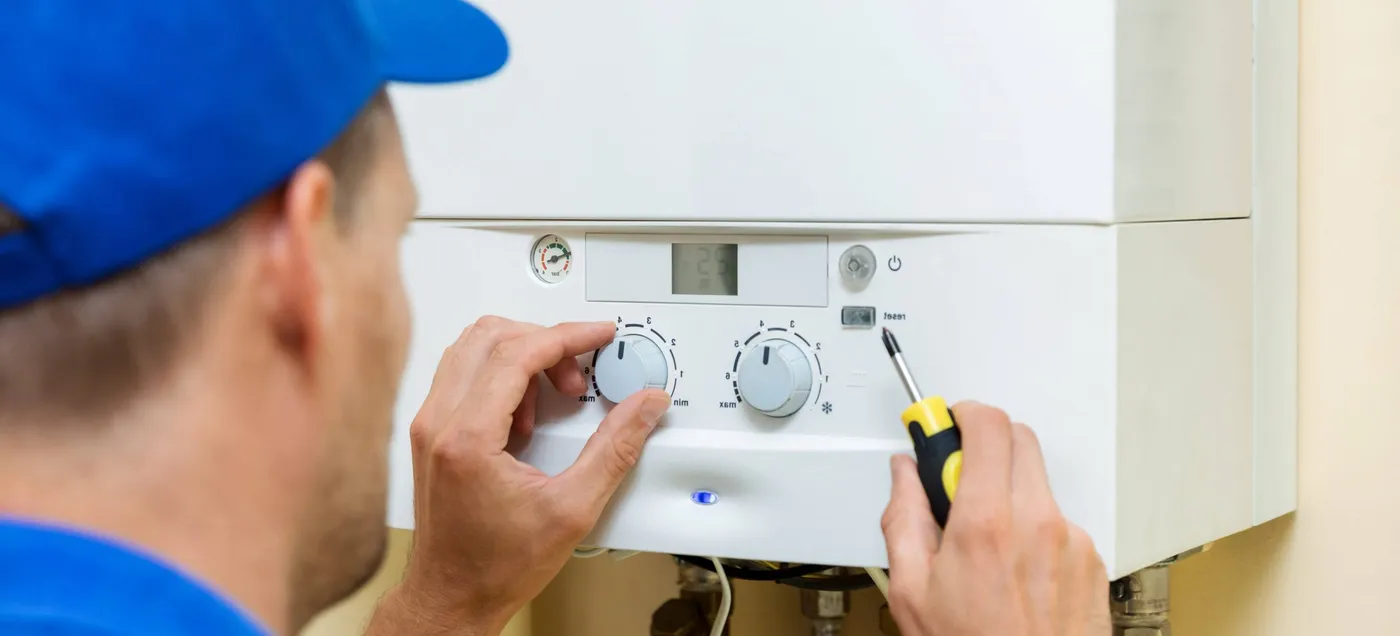
Most combi and system boilers should read about 1 to 1.5 bar cold and around 2 bar with the heating on. What counts as too low or too high, how often to check, and what the annual service looks at.
On most combi and system boilers, normal boiler pressure is roughly 1 to 1.5 bar when the heating is cold, rising to around 2 bar when the system is hot. Your boiler's manual gives the exact figure for your model, and the green zone on the gauge shows the safe range. A reading that sits in that range, cold and hot, needs no action. A reading below about 1 bar cold, or into the red at any time, is a sign to look further.
What Is Normal Boiler Pressure?
Normal pressure for a sealed heating system is usually between 1 and 1.5 bar cold. That figure is set by the manufacturer so the boiler has enough water pressure to run safely without stressing the system.
The pressure on the gauge is the pressure of the water inside your radiators and pipes, not the pressure of your gas or your mains water. It has to be high enough for the boiler's own sensors to let it fire and for water to reach the highest radiator in the house. It has to stay low enough that the safety valve does not open.
Most boilers show this on a dial with a green or shaded zone, or as a number on a digital display. If your gauge has no markings, or you have lost the manual, the model name on the front of the boiler is enough to find the manufacturer's installation manual online, and the recommended pressure is usually in the commissioning section.
Should Boiler Pressure Be Higher When the Heating Is On?
Yes. Water expands as it heats, so the reading rises once the heating has been running, often by around half a bar. A rise that stays inside the green zone is normal and is exactly what the system is designed to handle.
This is why the reading you compare against the manual should be taken with the system cold, ideally first thing in the morning before the heating comes on. A pressure of 1.8 bar with every radiator hot is usually fine. The same 1.8 bar on a cold system is on the high side and worth watching.
What is not normal is a large swing: a reading that climbs towards 3 bar every time the heating fires and then drops back well below 1 bar once it cools. That pattern usually points to the expansion vessel, the small tank that absorbs the extra volume of hot water. When it loses its air charge, the expanding water has nowhere to go.
What Counts as Too Low or Too High?
As a working guide, below about 1 bar cold is too low and above about 2.5 bar hot is too high. Most boilers lock out on low pressure, and the pressure relief valve on most domestic boilers opens at 3 bar.
- Below 1 bar cold. Many boilers will still run, but the margin is small. Below roughly 0.5 bar most will stop and show a low pressure fault. Low pressure is not usually dangerous, but it will leave you without heating and often without hot water.
- 1 to 1.5 bar cold, up to about 2 bar hot. The normal range for most sealed systems.
- Above 2.5 bar hot, or in the red. Too high. At 3 bar the relief valve opens and discharges water, usually through a copper pipe to the outside wall. Our guide to lowering boiler pressure that is too high covers what you can safely do and when it needs an engineer.
These figures are typical, not universal. Some boilers, especially in taller houses, are commissioned at a higher cold pressure so water reaches the top floor. If your installer set the system at a figure outside this range and wrote it on the paperwork, follow that.
How Often Should You Check Your Boiler Pressure?
A quick look once a month is enough for most homes, and weekly in the first weeks of the heating season. The point is to know what your normal reading is, so you notice when it changes.
Checking takes a few seconds and needs no tools. Look at the gauge or display with the heating off and the system cold, and note the figure. Then look again with the heating running. If both readings stay steady from month to month, the system is sealed and the expansion vessel is doing its job.
Two situations call for an extra check:
- After bleeding radiators. Letting air out also lets the pressure fall, so check the gauge afterwards and top up only if it is below the normal range.
- After any work on the heating. A new radiator, a valve change or a drain-down all affect the water in the system, so the pressure should be back in range once the work is finished.
If you have to top up more than once or twice a year, the pressure is going somewhere. Our article on why a boiler keeps losing pressure goes through the usual causes, from a weeping valve to a failed expansion vessel.
What Does the Annual Service Check About Pressure?
A proper annual service includes the parts of the boiler that control and protect system pressure, not just the burner and the flue. The engineer should confirm the pressure is correct and that the parts holding it there are working.
Depending on the boiler and the manufacturer's instructions, that usually means:
- The expansion vessel charge. The air side of the vessel is checked and topped up to the manufacturer's figure. This is the check most often skipped on a rushed service, and a vessel that has lost its charge is the most common reason pressure swings high and low.
- The pressure relief valve. The engineer looks for signs that it has been discharging, such as a wet or stained discharge pipe outside.
- The filling loop. Checked to make sure it is closed and not letting mains water creep into the system.
- The gauge itself. A gauge that sticks or reads wrongly makes every other check meaningless, so it should agree with the boiler's own reading.
If you have noticed the pressure dropping or climbing between services, tell the engineer when you book. It changes what they look at. Our annual boiler service page explains what a full service covers.
When the Pressure Gauge Is the Wrong Thing to Watch
Not every home has a boiler pressure gauge that matters. If your system is open-vented, the pressure comes from a water tank in the loft, and there is nothing on the boiler to top up.
Regular, or conventional, boilers that work with a cold water feed tank and a hot water cylinder are usually on open-vented systems. They may have no pressure gauge at all, or a gauge that reads very low, and that is normal for them. Their equivalent checks are the level in the small feed and expansion tank in the loft and whether the float valve is working. If you are not sure which system you have, the engineer can tell you at the next service.
Pressure is also the wrong thing to focus on if the boiler shows a fault code that is not about pressure, if you can smell gas, or if there are signs of carbon monoxide such as a lazy yellow flame on a gas appliance, soot marks or a CO alarm going off. Those need a Gas Safe registered engineer, and a suspected gas leak needs a call to the National Gas Emergency Service on 0800 111 999.
Frequently asked questions
Is 2 bar boiler pressure too high?
Not when the heating is on. A reading of around 2 bar with the radiators hot is normal on most combi and system boilers. If the gauge shows 2 bar with the system cold, it is on the high side, so check the manual for your boiler's recommended figure and watch whether it climbs further when the heating runs.
Is it normal for boiler pressure to drop a little over time?
A very slow fall over many months can happen, particularly after radiators have been bled. Needing to top up more than once or twice a year is not normal and usually means a small leak, a weeping relief valve or an expansion vessel that has lost its charge, all of which an engineer should check.
Does a boiler service include checking the pressure?
It should. A full annual service includes checking the system pressure, the expansion vessel's air charge, the pressure relief valve and the filling loop, following the manufacturer's service instructions. If you have seen the pressure rise or fall between services, mention it when you book so the engineer can look for the cause.