Carbon Monoxide Alarm Rules for Landlords: Where Alarms Must Go
Since October 2022, landlords in England must fit a carbon monoxide alarm in any room used as living accommodation that has a fixed combustion appliance, gas cookers excepted. Here is which rooms count, where the alarm goes, and who is responsible for testing it.
Landlords in England must fit a carbon monoxide alarm in every room used as living accommodation that contains a fixed combustion appliance, such as a gas boiler, gas fire or wood burner. Gas cookers are the one exception. The rule comes from the Smoke and Carbon Monoxide Alarm (Amendment) Regulations 2022, which took effect on 1 October 2022 and apply to both private and social rented homes. The landlord must also check the alarms work on the day each new tenancy starts, and repair or replace them once told they are faulty.
What the Law Requires
There are three duties: fit the alarms, check them at the start of each tenancy, and fix or replace them when a tenant reports a fault. The same regulations require a smoke alarm on every storey that has a room used as living accommodation.
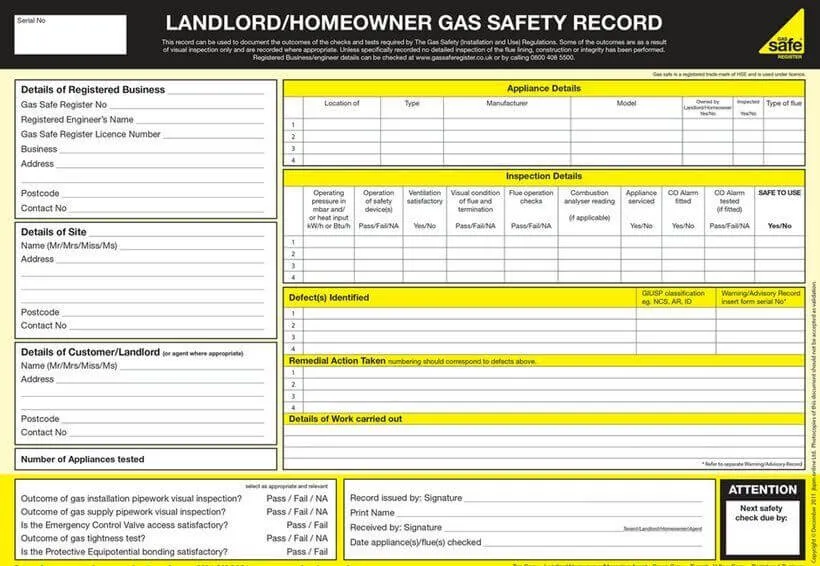
Before 2022, carbon monoxide alarms were only required in rooms with a solid fuel appliance, such as a coal fire or wood burner. The change widened the rule to any fixed combustion appliance, which brought gas boilers and gas fires into scope. Oil boilers count too. The alarm rule is separate from the annual gas safety check: a current Landlord Gas Safety Record does not satisfy it, and a working alarm does not replace the check. Our overview of what certificates a landlord needs in London shows how the two sit alongside your other obligations.
Which Rooms Need a Carbon Monoxide Alarm?
Any room used wholly or partly as living accommodation that contains a fixed combustion appliance needs an alarm. Government guidance treats bathrooms and toilets as living accommodation, so a room with a boiler in it counts even if nobody sleeps there.
In a typical London rental, that usually means:
- The kitchen, if the boiler is on the kitchen wall. The gas hob or cooker is exempt, but the boiler is not.
- The bathroom, if the boiler or a gas water heater is fitted there.
- A bedroom, if the boiler sits in a bedroom cupboard, which is common in converted flats.
- The living room, if it has a gas fire or a wood-burning stove.
If the boiler is in a cupboard that opens off a room, treat that room as the one that needs the alarm, and follow the alarm maker's advice on placement. Where you are unsure, fitting an extra alarm costs far less than getting it wrong.
Where to Position the Alarm
Follow the manufacturer's instructions for the alarm you buy. As a general guide, it should be in the same room as the appliance, typically between one and three metres from it, either on the ceiling or high on a wall.
Avoid placing it directly above the boiler or cooker, next to a window or extractor fan, in a damp corner, or behind curtains or furniture where air does not move freely. Choose an alarm marked as meeting BS EN 50291. The regulations do not specify battery or mains-powered alarms, so either is allowed; many landlords fit sealed long-life battery units so a tenant does not have to change batteries.
Who Tests the Alarms?
The landlord, or their agent, must check that each alarm works on the day a new tenancy begins. During the tenancy, tenants are expected to test alarms regularly and report any that fail.
Once a tenant reports a faulty alarm, the landlord must repair or replace it. Keep a record of the check-in test, such as a signed line on the inventory or a dated photo, so you can show it was done. A good time to look at the alarms again is the annual gas safety check. The engineer is there to inspect the gas appliances, not the alarm, but it is a natural moment to test each alarm and check its expiry date, as most carbon monoxide alarms need replacing after several years.
What Happens If a Landlord Does Not Comply
Enforcement is by the local council. If it believes the alarm rules have been breached, it can serve a remedial notice, and if the landlord does not act within 28 days it can arrange the work itself and impose a civil penalty of up to £5,000.
The bigger risk is the one the rule exists to prevent. Carbon monoxide has no colour, taste or smell, and a faulty boiler or blocked flue can produce it without any visible sign. Our guide to carbon monoxide warning signs from a boiler covers the symptoms tenants should know. If an alarm sounds, the advice is always the same: turn off the appliance if it is safe to do so, open windows, get everyone out and call the National Gas Emergency number on 0800 111 999.
An Alarm Is Not a Substitute for Servicing
An alarm warns you after carbon monoxide is already in the room. Servicing and the annual gas safety check are what stop it being produced in the first place.
The gas safety check confirms each appliance burns safely and that flues carry fumes out of the home. A full service goes further on the boiler itself, cleaning and inspecting the parts that affect combustion. Landlords must keep gas appliances maintained in a safe condition, and an annual boiler service is the usual way to show that. You can book both together through our landlord gas safety certificate service.
These rules apply in England. Wales and Scotland have their own alarm requirements, so check the rules for the country your property is in.
Frequently asked questions
Do landlords have to fit a carbon monoxide alarm near a gas boiler?
Yes, in England. Since 1 October 2022, landlords must fit a carbon monoxide alarm in any room used as living accommodation that contains a fixed combustion appliance, which includes gas boilers. Gas cookers are the only exception.
Does a gas hob need a carbon monoxide alarm in a rented property?
Not under the alarm regulations, because gas cookers are exempt. If the same kitchen also has a gas boiler, the boiler brings the room into scope and an alarm is required.
Is the carbon monoxide alarm checked during a gas safety inspection?
The alarm is not part of the gas safety check itself, which covers the gas appliances, flues and ventilation. The alarm rule is a separate duty. Many landlords test the alarms on the same visit so both jobs are done on one date.